Carlos Delgado
How to Turn Open Day Registrants Into Enrolled Students with WhatsApp AI Follow-Up
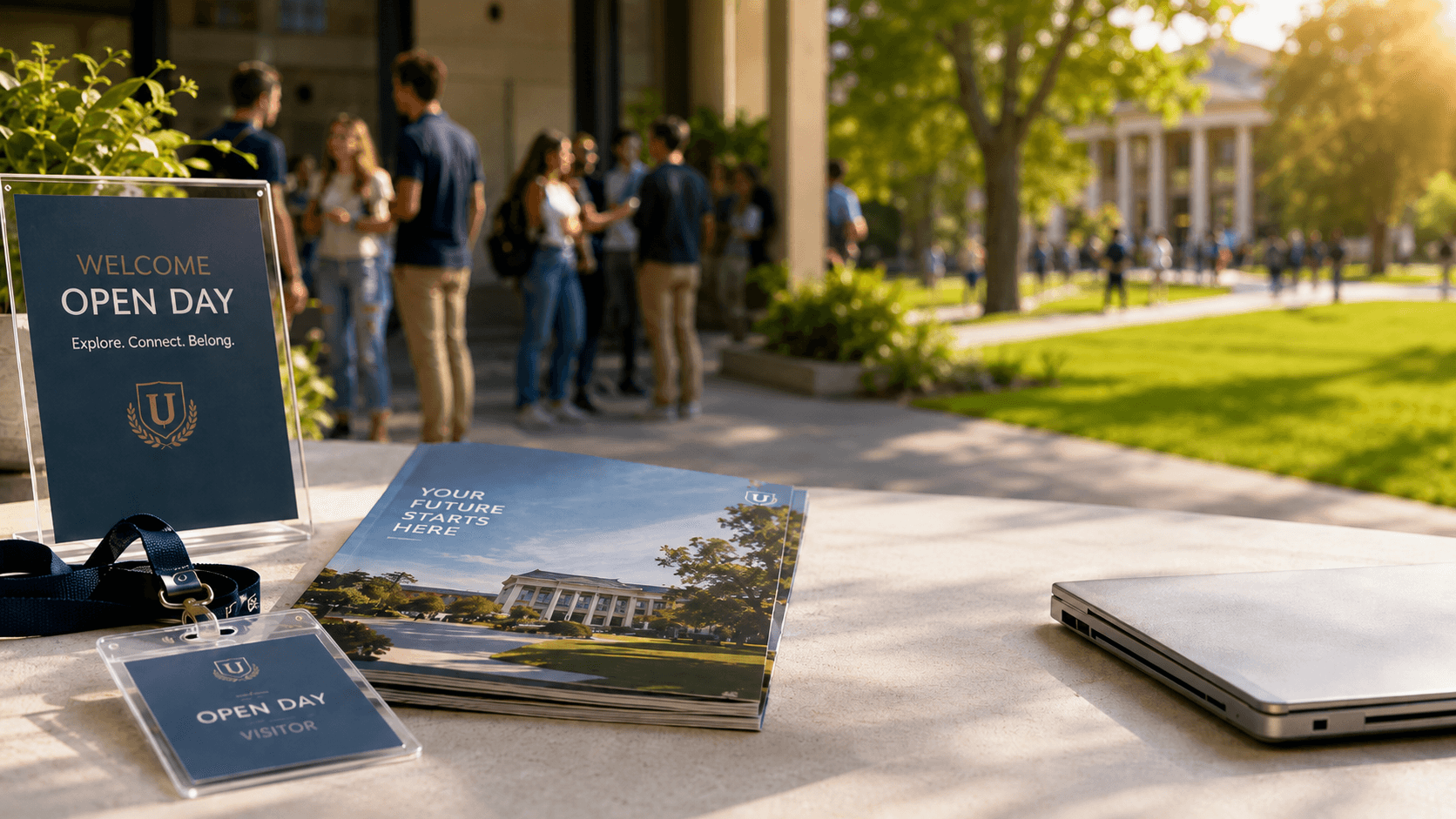
The problem: you ran a great open day. Students showed up, asked questions, took notes. Then you sent them one email recap and moved on. Here's what that costs you, and how to fix it.
Quick Answer
Open day follow-up is the highest-leverage activity in your admissions calendar. Attendees are significantly more likely to enroll than students who never visit, (research confirms campus visits are among the most impactful factors in enrollment decisions (ResearchGate, 2025)), but only if you follow up fast, on the right channel, with the right message. WhatsApp AI handles the entire post-event sequence automatically.
Why Open Days Are the Highest-Intent Touchpoint You're Wasting
An open day attendee is not a cold lead. They took a day out of their schedule to come to your campus, meet faculty, and imagine themselves as a student there. The intent signal is unmistakable.
Research consistently shows open day attendees are significantly more likely to enroll than students who only engaged with your institution digitally (ResearchGate, 2025). But that conversion window closes fast. The excitement of the visit fades within 48–72 hours if your institution doesn't stay in the conversation.
Most schools waste this window entirely. They collect names, send one generic "thanks for visiting" email, and wait. Meanwhile, the student visits two more campuses, gets outreach from competing schools, and makes a decision without you in the room.
The Follow-Up Architecture That Actually Converts
The goal is a structured, multi-touch sequence that moves the student from "interested" to "applied" over 21 days, without manual work from your team.
Day 0: Same-day message (within 2 hours of the event ending):
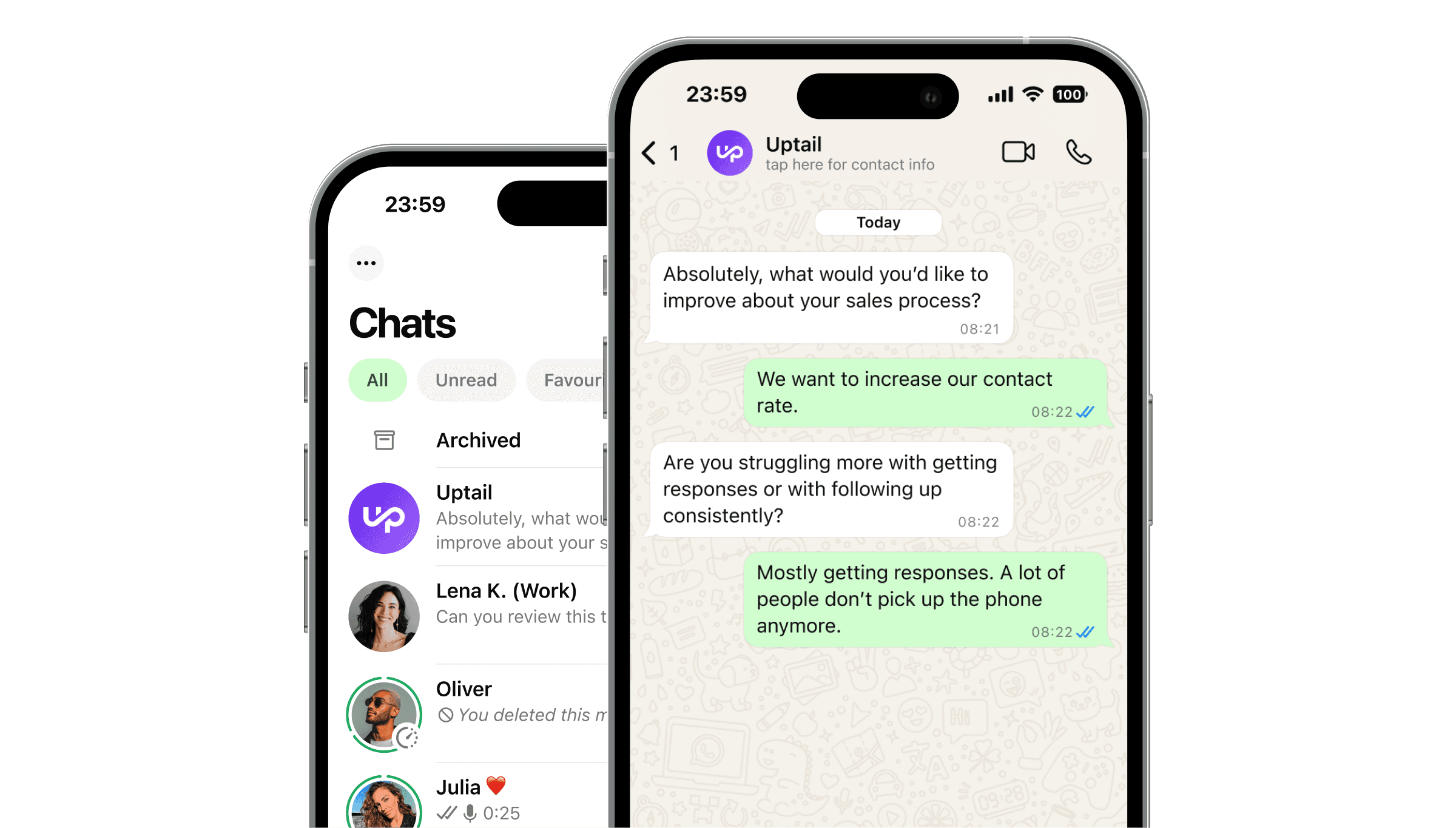
"Hey James — great to have you on campus today. Hope you got a feel for what life here looks like. Anything from the session you want to follow up on?"
Speed matters. Same-day contact while the visit is still vivid is dramatically more effective than next-morning outreach.
Day 3: Relevant evidence, personalized to their expressed interest:
"Since you were asking about the Business program, here's a quick story from a graduate who went from where you are now to a senior analyst role at a Big 4 firm within two years. Worth a read."
Day 7: Application reminder with deadline:
"Just a heads-up: the early application window for January intake closes on [date]. Takes about 20 minutes to complete. Want me to send you the link?"
Day 14: Scholarship or financial aid nudge:
"We have a merit scholarship with a deadline coming up, worth checking if you qualify. You'd need to apply by [date]. Want details?"
Day 21: Urgency close:
"Last check-in from me on this round: we're in the final weeks of early decision, and a few program tracks are filling up. If you're thinking about applying, now is the right time. Happy to connect you with an advisor if that would help."
Segment by Intent Signal, Not Just Attendance
Not all open day attendees have the same urgency. Capture a simple intent signal at registration:
Exploring options: nurture at a slower cadence, focus on value-building messages
Seriously considering: full 21-day sequence, higher frequency
Ready to apply: skip nurture, go straight to application link + advisor booking
The AI agent adjusts messaging based on which segment the student falls into. This segmentation alone can meaningfully improve conversion rates compared to sending the same message to every attendee.
The AI Handles All of This 24/7
Your admissions team has dozens of other responsibilities the week after an open day. The AI agent runs the entire sequence automatically. It:
Sends every message at the right time
Personalizes by program interest and intent segment
Detects when a student responds and continues the conversation
Routes any high-signal response ("I want to book a call," "I'm ready to apply") directly to an advisor
Stops the sequence when a student applies
Zero manual work for your team until a student is warm and advisor-ready.
Email vs. WhatsApp AI Follow-Up
Metric | Email Follow-Up | WhatsApp AI Follow-Up |
|---|---|---|
Open rate | 20–30% | 95–98% |
Response rate | 2–5% | 25–40% |
Time to first read | Hours | Minutes |
Conversion rate | 8–12% | Higher (varies by institution and sequence) |
Manual work per 100 attendees | 4–8 hours | Near zero |
Personalization at scale | Difficult | Built-in |
Frequently Asked Questions
What if they didn't opt into WhatsApp?
Opt-in should be captured at open day registration, on the sign-up form, add a WhatsApp consent checkbox. For those who don't, the email sequence runs as a fallback.
How do I capture WhatsApp numbers at open day?
Include a WhatsApp number field on your registration form, digital or paper. For walk-in attendees, have a QR code at check-in that routes to a short opt-in form.
Can the AI handle follow-up in multiple languages?
Yes. If a student registered in Spanish, Mandarin, Portuguese, or another supported language, the sequence runs in that language automatically.
What if the student applies during the sequence?
The agent monitors application status. When a student submits an application, the sequence pauses and shifts to an application acknowledgment and next-steps flow.
How does this integrate with our CRM?
Uptail connects with major higher education CRMs including Salesforce Education Cloud, HubSpot, and Slate. Open day attendee records sync automatically.
An open day is the most expensive prospecting event you run. The follow-up is where you get the return on that investment. Running it manually means most of those conversations never happen. Running it with an AI agent means every attendee gets a structured, personalized, timely sequence, without adding a single hour of advisor work.