Carlos Delgado
How to Automate Appointment Booking on WhatsApp
Every missed call is a missed appointment. When a customer has to phone your office, wait on hold, or fill out a web form and wait for a callback, friction kills conversion.
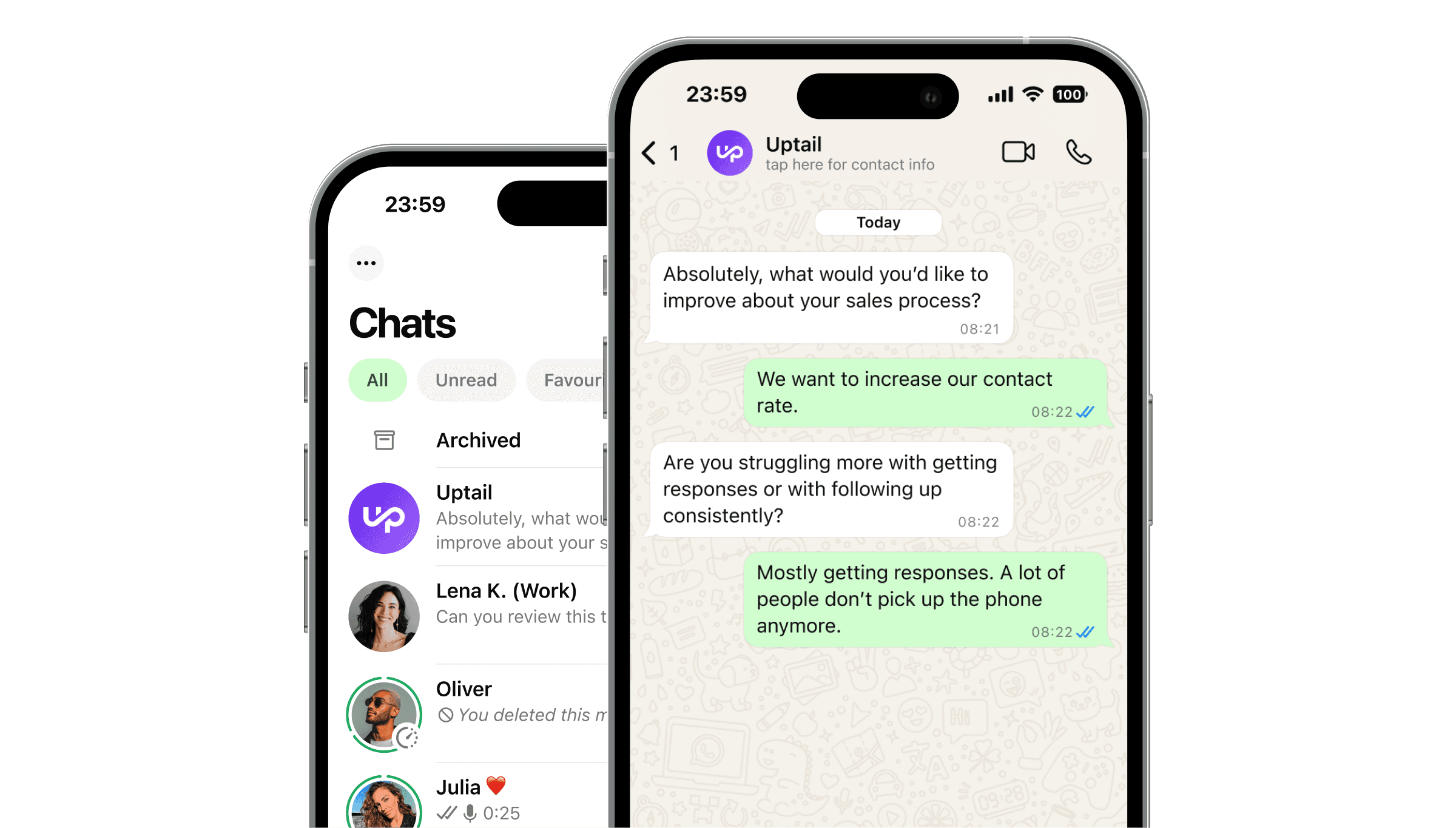
WhatsApp changes the dynamic, people are already in the app, they're used to messaging businesses there, and an automated flow can take them from "I'd like to book" to "You're confirmed for Thursday at 2pm" in under a minute.
This guide covers how to set up appointment booking automation on WhatsApp, what the technical flow looks like, and how to handle confirmations, reminders, and rescheduling, all without manual work.
Quick Answer
WhatsApp appointment booking automation uses the WhatsApp Business API to let customers schedule, confirm, reschedule, and cancel appointments directly inside a chat — no phone calls, no forms, no app downloads. An automated flow asks what service they need, shows available time slots pulled from your calendar, confirms the booking, and sends reminders before the appointment. It connects to tools like Google Calendar, Calendly, or your CRM to keep everything in sync.
Why WhatsApp Beats Traditional Booking Methods
Method | Customer Experience | Staff Effort | No-Show Risk |
|---|---|---|---|
Phone Call | Hold times, limited hours, back-and-forth | High, manual for every booking | High, no automated reminder |
Web Form | Fill form, wait for confirmation email | Medium, staff reviews and confirms | Medium, email reminders often ignored |
Booking Widget | Self-serve, but requires visiting your site | Low, automated | Medium, relies on email reminders |
WhatsApp Automation | Book in the app they already use, instant confirmation | None, fully automated | Low, reminders land in a channel with high read rates |
The biggest advantage is the reminder delivery. Email reminders average roughly 21% open rates according to Mailchimp's 2025 benchmark data.
WhatsApp messages are read at significantly higher rates, platforms consistently report 85–95% across industries, which means fewer no-shows and less revenue lost to empty calendar slots.
How the Booking Flow Works
Customer triggers the conversation: They message your WhatsApp number directly, click a "Book on WhatsApp" button on your website, scan a QR code at your location, or tap a click-to-WhatsApp ad. The automation kicks in immediately.
Lead qualification: No button menus or rigid scripts. The AI agent has a real conversation: asking qualifying questions, handling objections, and identifying intent based on your sales playbook. It filters out low-intent leads so your team only talks to prospects worth their time.
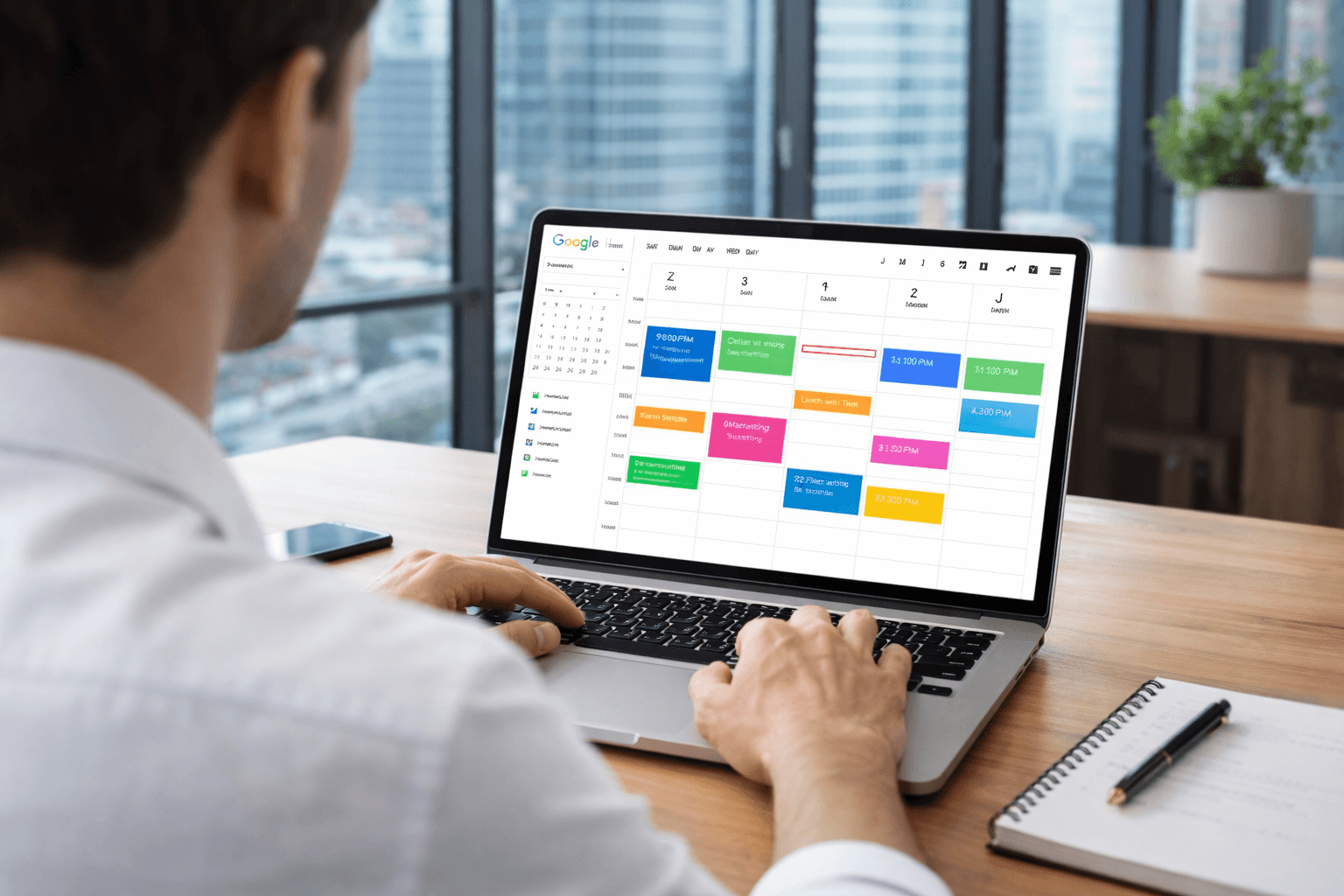
Date and time selection: The flow queries your calendar integration (Google Calendar, Outlook, Calendly, or a custom API) and presents available slots. The customer picks one. If nothing works, they can request alternatives.
Collect details: Name, email, phone number, and any pre-appointment info (e.g., "What's this regarding?"). Keep it to 2–3 fields, every extra question increases drop-off.
Instant confirmation: A confirmation message is sent immediately with the date, time, service, and location or meeting link. The appointment is simultaneously written to your calendar and CRM.
Automated reminders: Send a reminder 24 hours before and again 1 hour before. Include a "Confirm," "Reschedule," or "Cancel" button in each reminder so the customer can act without calling.
4 Industries Where This Works Best
Healthcare & Clinics
Patients book consultations, receive prep instructions, and get reminders, all in WhatsApp. Reduces call center queue volume and cuts no-show rates by keeping reminders in a high-visibility channel.
Professional Services
Accountants, lawyers, consultants, any business that runs on scheduled meetings. Clients book directly from a WhatsApp message instead of navigating a website booking page.
Beauty & Wellness
Salons, spas, and fitness studios handle high booking volumes. WhatsApp automation manages the queue, sends aftercare tips post-appointment, and re-engages clients for repeat visits.
B2C Sales Teams
Instead of the email tennis match to find a meeting time, a WhatsApp flow shows available demo slots and books instantly. The rep gets notified with lead context from the qualification flow.
Handling Rescheduling and Cancellations
Booking is only half the system. A complete automation also handles changes. When a customer replies "reschedule" or taps the reschedule button in a reminder, the flow should pull fresh availability, let them pick a new slot, update the calendar, and send a new confirmation, all without a human touching anything.
Cancellations work the same way: one tap, slot freed, CRM updated, and optionally a follow-up message offering to rebook later.
This matters because the 24-hour messaging window in the WhatsApp Business API (per Meta's documentation) means you can only send free-form messages within 24 hours of the customer's last reply. Reminders sent outside that window require pre-approved message templates, so build your reminder templates and get them approved before you launch.
Mistakes to Avoid
No calendar sync: If availability isn't pulled from a live calendar, you'll double-book. Always connect to the actual calendar your team uses, not a static list of time slots.
Skipping the reminder sequence: Booking without follow-up reminders wastes the biggest advantage of WhatsApp. Send at least two reminders with action buttons.
Too many pre-booking questions: The goal is speed. Ask only what's essential to schedule the appointment. Collect everything else in a pre-appointment follow-up message or at the appointment itself.
No rescheduling path: If cancelling is easy but rescheduling isn't, you lose the appointment entirely. Make rescheduling just as frictionless as the original booking.
Forgetting template approval: Reminder messages sent outside the 24-hour service window need Meta-approved templates. Submit them early, approval can take hours or days.
Appointment booking on WhatsApp works because it meets customers in the app they already use, removes the friction of phone calls and forms, and automates the entire lifecycle from scheduling to reminders to rescheduling.
The businesses that set this up properly don't just fill more slots, they spend less time managing the calendar and more time doing the work that earns revenue.